
Headaches Aren’t Always A Head Problem: The Truth Behind Tension Headaches.
At 360 Wellness in Madison, WI, we hear it all the time: "My head has been killing me."
The thing is, tension headaches rarely start in your head. They almost always begin in the neck and upper cervical spine, where the muscles, joints, and nerves all work closely together. When something's off there, you feel it in a big way.
What Is A Tension Headache?
At its core, a tension headache is the result of sustained stress and overload in the muscles and joints of the neck, scalp, and upper back. It’s what happens when those tissues stay contracted for too long—whether from posture, stress, screen time, or old injuries. As those muscles tighten, they start to compress and irritate the surrounding nerves. The brain interprets that input as a steady, pressing pain rather than a sharp or localized one, which is why it often feels like a dull band, weight, or tightness rather than a specific point of pain.
Where Do Tension Headaches Start?
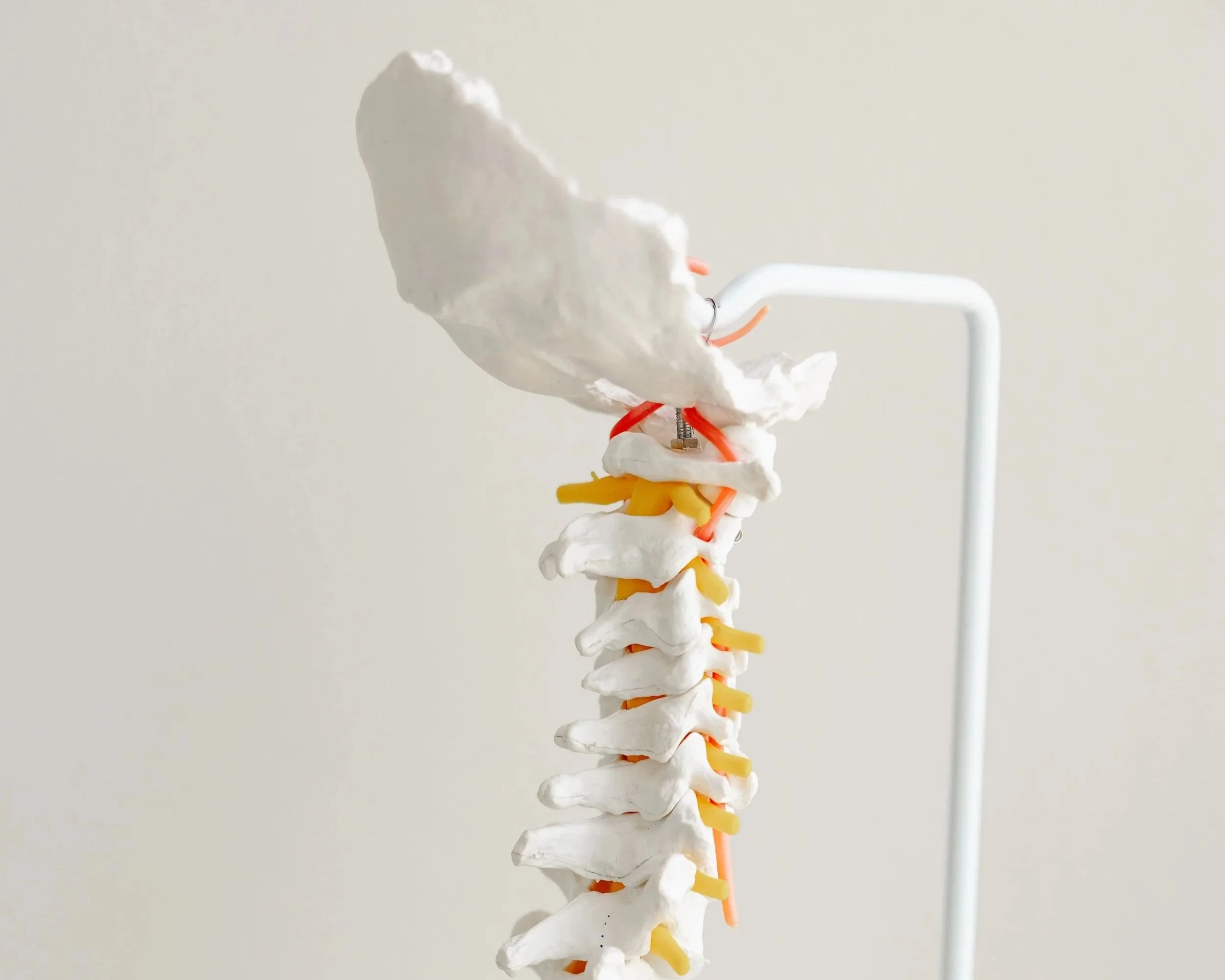
A lot of tension headaches actually trace back to dysfunction in the upper neck. The top two segments of your spine do a huge amount of the work when it comes to head position and movement. They’re also closely tied to the nerves that carry pain signals up into the head. When those joints get stiff or misaligned, they can irritate the greater occipital nerve and other nearby structures.
That irritation doesn’t stay local. It refers pain upward.
That tight, banded feeling wrapping around your skull? That's not a head problem. That's a structural problem. And treating it like a head problem is why so many people end up reaching for ibuprofen again and again without getting real relief. If the source is tension, restriction, or irritation coming from the neck and upper cervical spine, the cycle just keeps repeating.
Until the underlying mechanics are corrected and those overworked tissues are allowed to reset and function normally again, the symptoms will often keep showing up in the same pattern.
If it keeps coming back, it’s worth finding out why.
